
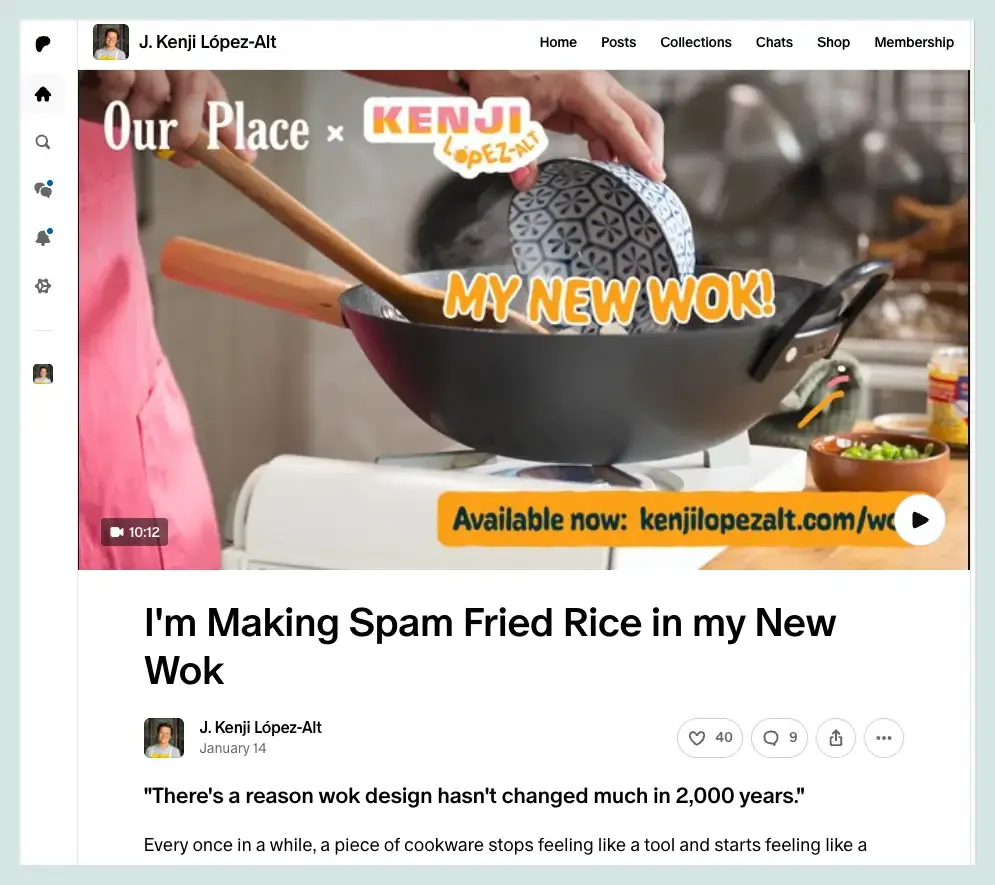
I made the wok of my dreams with my friends at Our Place. A lifetime of dreaming and a year of designing later, my super-nitride carbon steel wok is now available.
The Wok of My Dreams
The Wok of My Dreams
I made the wok of my dreams with my friends at Our Place. A lifetime of dreaming and a year of designing later, my super-nitride carbon steel wok is now available.

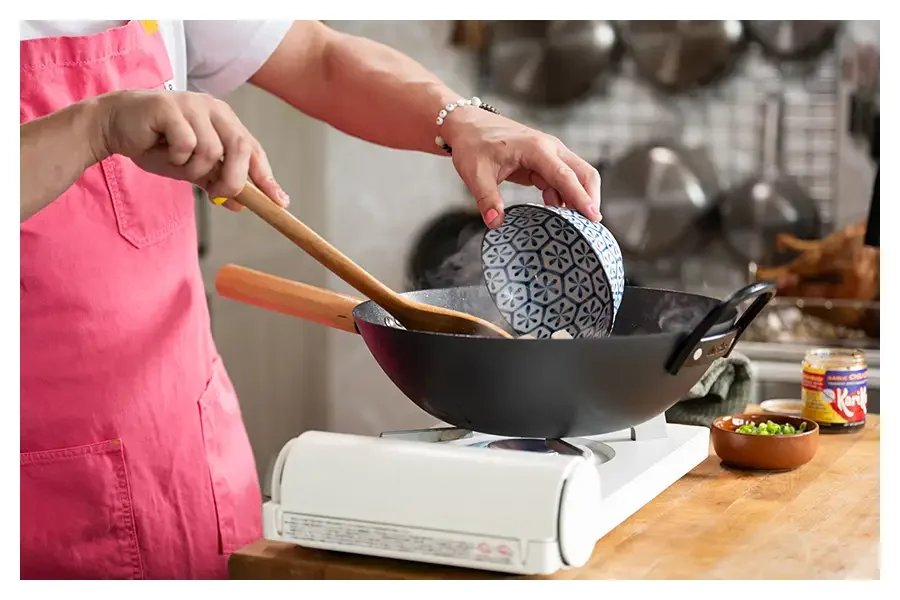
I believe that this is the wok that will carry me through the rest of my life.
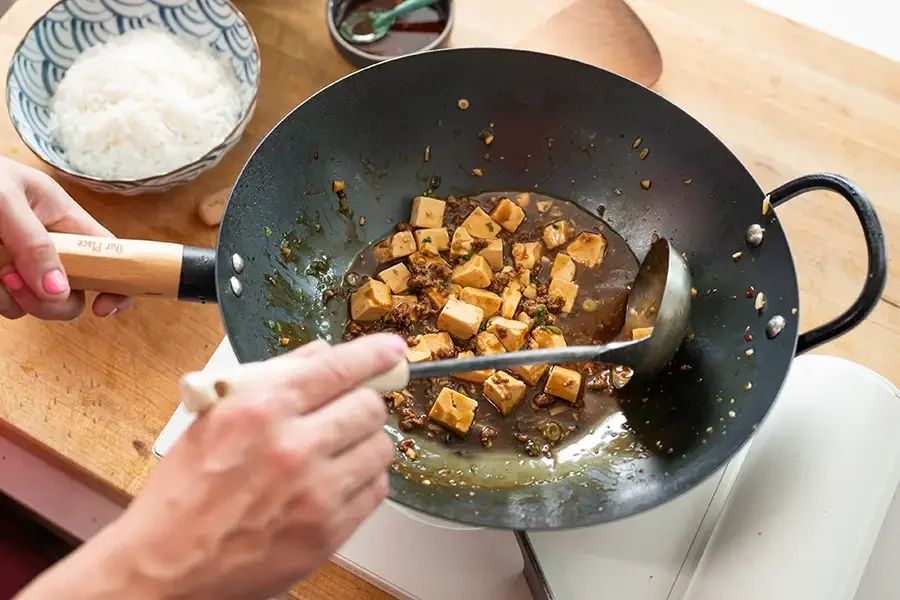
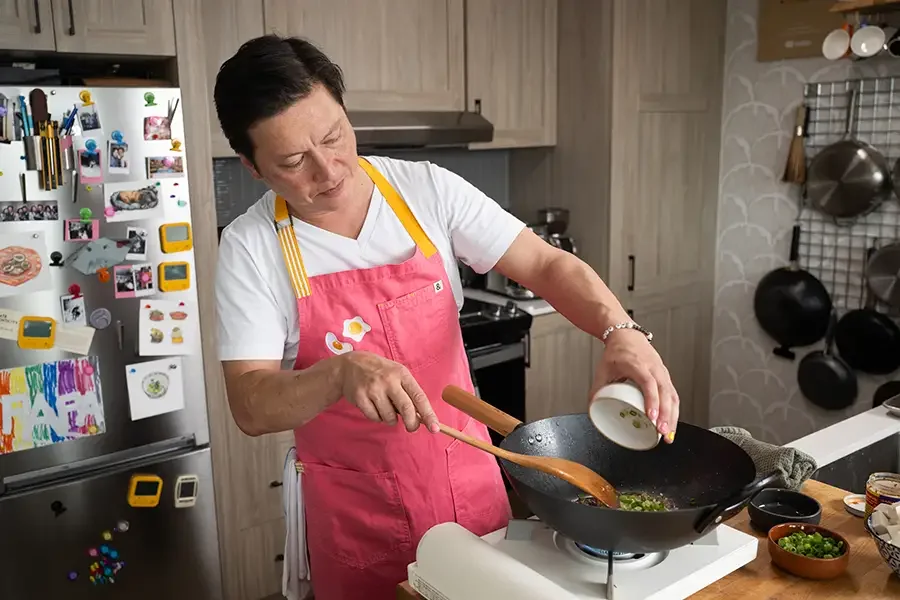
Stir-frying, deep frying, braising, simmering, steaming, and smoking, it’ll do it all.
The Wok: Recipes and Techniques
I wrote the book on it!
I wrote the book on it!
The Wok: Recipes and Techniques

My wok is the most-used piece of equipment in my kitchen—and not just for Asian dishes. From stir-frying to searing, from simmering to steaming, from braising to deep frying, it’s a simple tool that contains vast worlds of technique, flavor, and culture. When I wrote The Wok, I wanted to capture that complexity and make it approachable for anyone cooking at home.
This book is as much about ideas as it is about recipes. I explore how heat, oil, and motion interact to create smoky wok hei; how massaging your meat can turn it velvety smooth; and how to achieve a crisp crust that stays crunchy even when coated in sauce. It’s a deep dive into the physics, textures, and small details that make wok cooking so satisfying.
I’m excited to help more people pick up a wok and make it their most-loved pan, too.
There's a reason wok design hasn't changed much in 2,000 years.
More about the Our Place X Kenji Wok
I had used the same carbon steel wok for over 20 years in my home kitchen until it finally broke just after my book, The Wok came out. I loved that pan and used it nearly every day. The only difficulty I had with it is the same difficulty that hits every carbon steel or cast iron pan: it’s reactive. It can rust, pit, and stick if you aren’t careful with it after use.
Which led me to a question: what if you could get everything that makes carbon steel the perfect wok material—heat resistance, responsiveness, wok hei, that intense hot zone at the bottom with cooler zones up the sides, compatibility with gas, outdoor burners, electric, and induction—all with far easier maintenance?
I got the chance to build exactly that.
My strict parameters:
-
Light enough to stir-fry.
Responsive to heat changes.
Able to withstand the intense heat that wok cooking often relies on.
The ability to produce true “wok hei” smokiness and flavor.
Tough enough to use metal utensils on.
-
13-14 inches (my favorite size for cooking for a family or group of friends).
flat bottomed so it can be used effectively on Western-style ranges or on an induction or electric burner.
14-16 gauge steel (thick enough to be sturdy and last forever, light enough to effectively use)
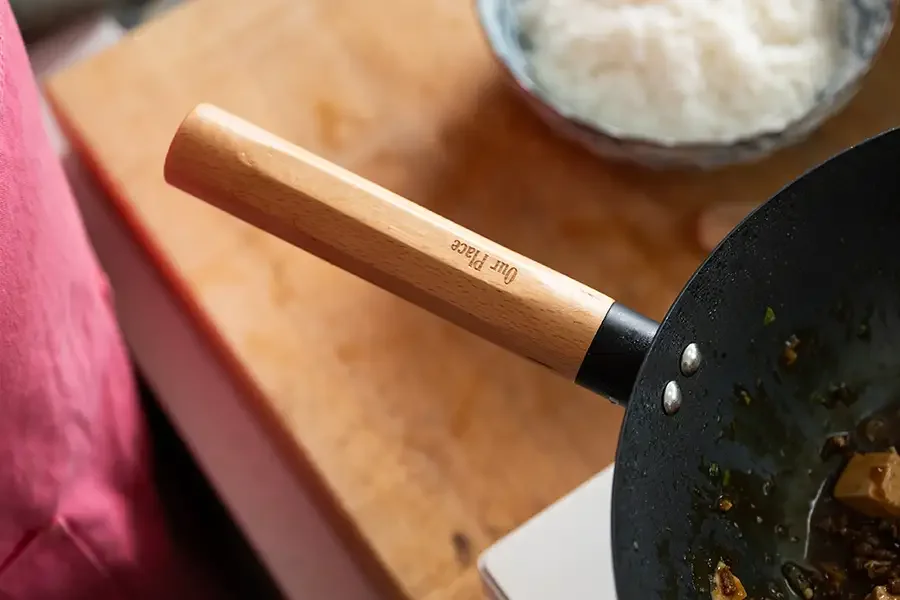
Have a comfortable handle for toss-frying and a looped helper handle for lifting big loads or hanging.
Have handles that are firmly riveted on (not welded) for the longest possible lifespan.
-
It needed to be slick and ready to cook in right out of the box
Made with a material that is rust-, pit-, and stain-resistant, with no coatings or forever chemicals.
Enter Super-Nitride Steel.
What is Super-Nitride Steel?
Essentially, the steel is heated in a nitrogen-rich environment that impregnates the surface with nitrogen atoms, transforming its structure into something many times harder than raw carbon steel—and then it’s seasoned to a glossy, slick finish right out of the box.
Why does it make this wok special?
In practice, that means it behaves exactly like carbon steel: it heats fast, gets screaming hot, and develops proper wok hei—but with a surface that’s unusually slick and durable. It’s not coated, it’s not toxic, and it doesn’t scratch away the way traditional seasoning can. You still treat it like carbon steel, but you don’t have to baby it. You can take this wok to 900 or even 1,000°F without issue, which matters because wok hei isn’t just about oil smoking—it’s about direct contact between food and hot metal. You don’t get that through a plastic nonstick coating. This pan delivers it cleanly and consistently.
Feeling the Wok Hei?
Wok Content Just For Frienjis
Become a Frienji of Kenji and receive exclusive videos and recipes that show you just how awesome cooking with a wok really is.
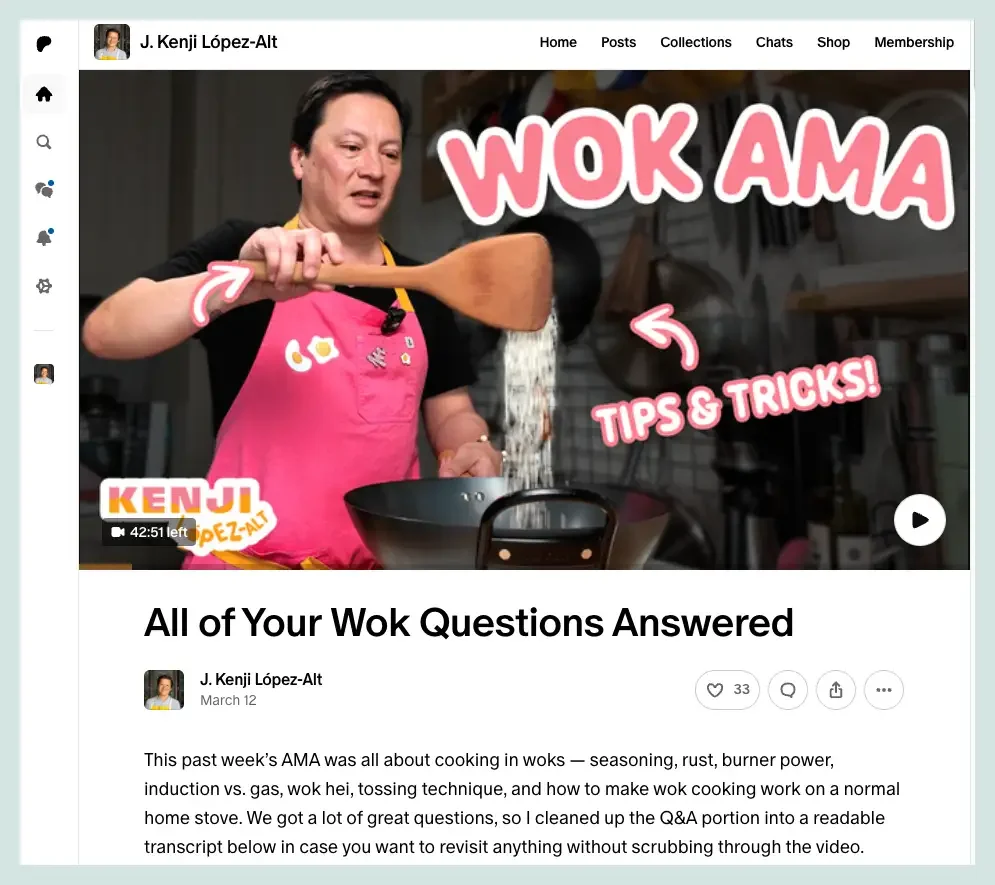
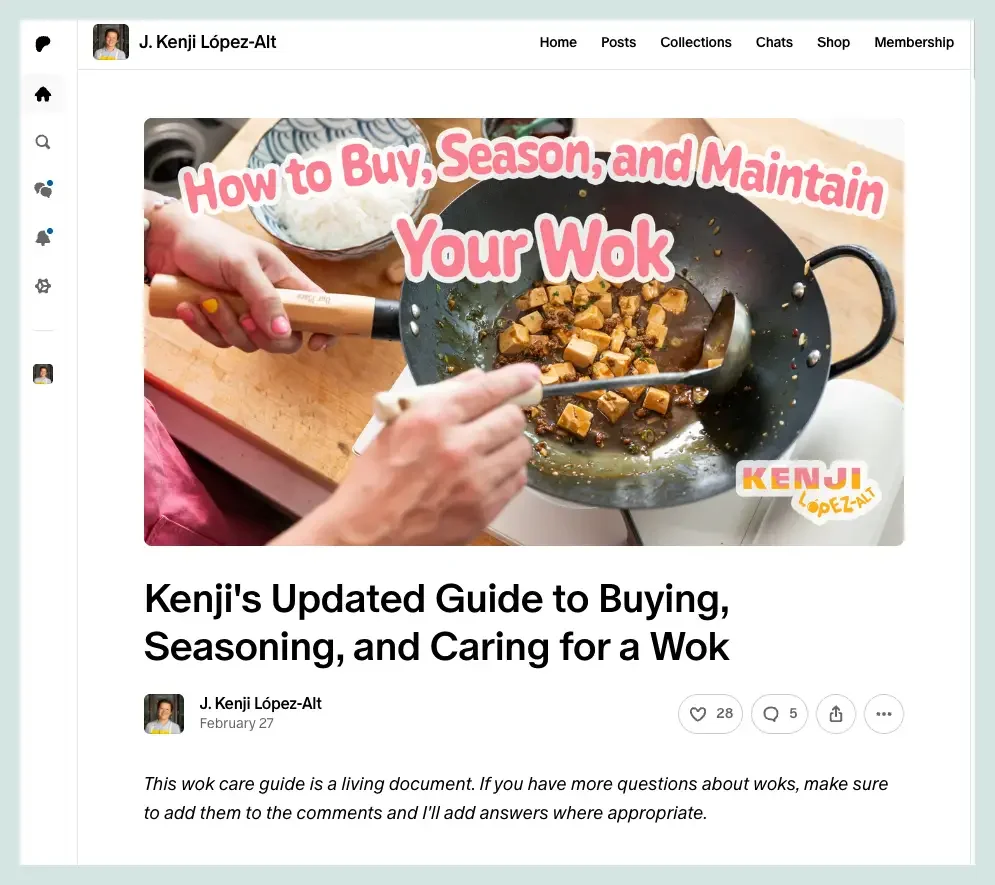

Kenji’s Cooking Show on YouTube:
The Wok Edition
Kenji’s Cooking Show on Youtube:
The Wok Edition

Help me Write my Next Book!
Get early access to recipes-in-progress, share your feedback, and earn a spot for your name in the finished book. Let’s cook this thing together.